A Guide to San Dimas First-Time Homebuyer Neighborhoods
July 2, 2026
July 2, 2026
Wondering whether San Dimas feels more like a classic suburb, a small-town downtown, or an outdoor-friendly foothill community? The answer is a little of all three, which is part of why first-time buyers often find this city appealing. If you are trying to match your budget, lifestyle, and commute needs to the right part of town, this guide will help you understand the home styles and neighborhood feel you are most likely to find in San Dimas. Let’s dive in.
San Dimas is not a one-style housing market. According to SCAG, 57.6% of the city’s housing stock is single-family detached, 13.1% is attached single-family, 18% is multifamily, and 11.3% is mobile homes. That means you may see detached houses, townhome-style options, condos or apartments in multifamily settings, and mobile-home communities all within the same city.
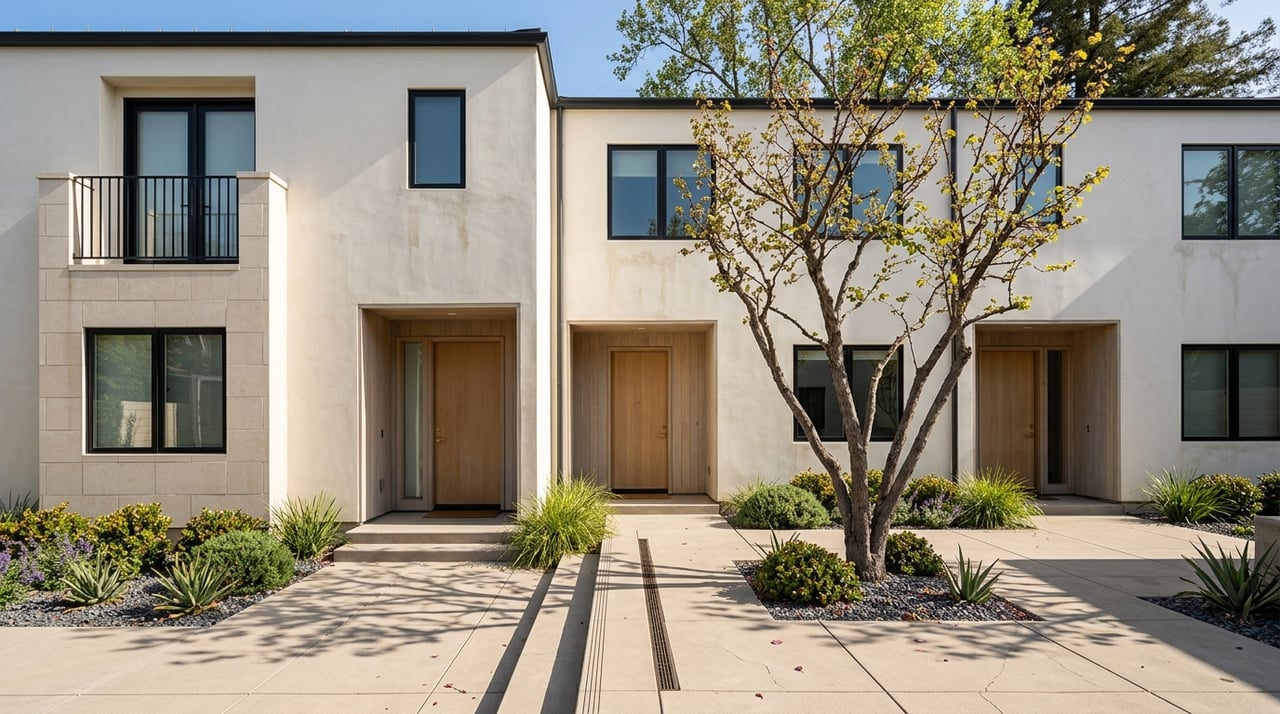
For many first-time buyers, that variety matters. If you want more space and a traditional neighborhood setting, detached homes make up the largest share of the market. If you want lower maintenance, attached housing such as townhomes, cottages, patio homes, duplexes, and garden-apartment-style options may be worth a closer look.
San Dimas also has a meaningful share of older homes. SCAG reports that 31.3% of the housing stock was built before 1970. In everyday terms, that can translate into established streets, mature trees, and neighborhoods that feel settled rather than newly built.
One of the biggest surprises for first-time buyers is how much the vibe can shift from one part of San Dimas to another. The city still feels mostly suburban overall, but certain areas stand out for history, convenience, or access to the outdoors.
That is good news if you are not just shopping for square footage. You are also choosing how you want everyday life to feel, from errands and commuting to weekend routines.
Downtown San Dimas has a more historic and civic character than much of the rest of the city. City historic-preservation materials describe downtown as a traditional American town center, and the surrounding Town Core includes historic homes, businesses, and churches. The Walker House, built in 1887, sits in the heart of downtown and helps anchor that older character.
This part of San Dimas may appeal to buyers who like an established setting with more of a main-street feel. The city has identified more than 300 pre-1940 structures as locally significant, nationally significant, or potential national register resources, which reinforces the sense of history in this area. Compared with other parts of town, downtown reads as older, more civic, and more mixed in character.
The city’s Downtown Specific Plan also supports transit-oriented development and mixed uses while aiming to preserve the historic commercial district’s charm. For a first-time buyer, that can mean a setting that feels a bit more connected and layered than a typical low-density suburban tract.
The Via Verde area in southwest San Dimas tends to feel more convenience-focused. City housing materials identify the Via Verde shopping center as a neighborhood-serving hub, and this area has direct access to State Route 57 and Interstate 10. If your daily routine involves regular driving, errands, or a regional commute, that access can shape how practical the area feels.
Via Verde also stands out for commute options. The city lists public EV chargers at Via Verde Park and Ride, and Foothill Transit Line 499 provides express service from Via Verde Park & Ride to Downtown Los Angeles. That combination gives this area a more car-friendly and errand-friendly identity than the historic core.
For first-time buyers, Via Verde may feel like a smart match if you want San Dimas amenities with built-in regional access. It is less about a historic town-center vibe and more about convenience, connections, and getting around with less friction.
If outdoor access is high on your list, the canyon side and areas near Bonelli Regional Park may stand out. Los Angeles County describes Bonelli as a large regional park with hiking, horseback riding, nature walks, camping, fishing, boating, and kayaking. The San Dimas Canyon Nature Center also highlights hiking, mountain biking, cycling, moonlight hikes, and nature and plant walks.
City materials add to that picture. San Dimas maintains 13 miles of public trails, and the city says the community has more than 27 miles of equestrian trails. That gives parts of the city, especially around the outdoor edge, a more recreation-first feel than you might expect in a suburban market.
For a first-time buyer, this area can feel quieter and more nature-adjacent. If you picture weekends on trails, time at regional parks, or a setting that leans more relaxed than purely commute-driven, this side of San Dimas may be the strongest fit.
Away from downtown and Via Verde, much of San Dimas still reads as a classic established foothill suburb. Because detached homes make up the largest share of the local housing stock, many neighborhoods feel low-rise and residential. The overall impression is shaped more by yards, trees, and parks than by dense vertical development.
San Dimas supports that feel with a strong public-realm network. The city says it maintains 177 acres of parkland across 14 parks, along with 9,000 community trees and 13 miles of public trails and fencing. Those details help explain why many areas feel mature, practical, and easy to settle into.
Bonita Avenue and San Dimas Avenue also function as practical everyday corridors. Foothill Transit Line 492 runs through San Dimas and stops along those routes, reinforcing their role as part of the city’s main spine for getting around.
San Dimas is no longer best understood as a freeway-only suburb. Metro says the A Line extension officially opened on September 30, 2025, and San Dimas is now one of the cities served. Foothill Transit identifies San Dimas Station at Bonita Avenue and San Dimas Avenue, with Line 295 providing direct service from the station to Cal Poly Pomona and Mt. SAC.
That matters because first-time buyers often need flexibility. Foothill Transit says Line 295 runs every 20 minutes on weekdays from 6 a.m. to 7 p.m., which can make station access more useful for daily life instead of just occasional trips. In addition, Line 492 serves an east-west regional corridor, while Line 499 gives Via Verde riders an express option to Downtown Los Angeles.
In practical terms, commute convenience is strongest near Bonita Avenue, San Dimas Avenue, and Via Verde Park & Ride. If you buy farther from those nodes, you may rely more on driving. Still, the city offers more than one way to get around, which is an important plus for many first-time buyers.
Choosing the right part of San Dimas starts with how you want to live day to day. Home style matters, but so does the rhythm of the neighborhood around it.
Here is a simple way to think about it:
When you tour homes in San Dimas, try to look beyond the listing photos. Pay attention to how quickly you can reach daily errands, parks, trails, or transit stops. In a city with several distinct neighborhood personalities, those details can shape your satisfaction just as much as the home itself.
It also helps to notice the age and setting of each area. Since a large share of the housing stock predates 1970, many homes and streets have an established look and feel. That can be a real draw if you prefer mature neighborhoods over newer master-planned environments.
San Dimas offers a mix that many first-time buyers are looking for: traditional detached neighborhoods, attached options for lower maintenance, a historic downtown anchor, and strong outdoor amenities. If you want help narrowing down which part of San Dimas best fits your goals, Lisa Warshaw Sheasby can help you make sense of the options with a local, thoughtful approach.

From start to finish, Lisa brings personalized service, powerful advocacy, and proven systems to help you reach your real estate goals.