What It’s Like To Live Near Glendora Village
June 18, 2026
June 18, 2026
If you want a neighborhood where you can grab coffee, stroll to dinner, and still feel close to the foothills, living near Glendora Village may be exactly what you are looking for. For many buyers, the appeal is not just the homes. It is the mix of historic character, local businesses, community events, and easier transit access in one of Glendora’s most recognizable areas. Here’s what everyday life near the Village can look like, and what to keep in mind if you are considering a move. Let’s dive in.
Glendora Village sits within a city the municipality describes as the Pride of the Foothills. Glendora is at the base of the San Gabriel Mountains, along historic Route 66, and less than 30 miles from downtown Los Angeles. That setting gives the area a foothill backdrop while keeping it connected to the broader region.
The Village itself is more than a shopping district. City planning materials describe it as Glendora’s quaint historic downtown and the heart of the community. The street pattern is pedestrian-scaled, with an emphasis on walking and sidewalk café dining, which helps shape the area’s day-to-day feel.
Living near Glendora Village often means your routine can be more walkable and more local. Instead of relying only on large commercial centers, you are close to a downtown environment built around services, shopping, dining, and cultural experiences. That creates a setting that feels active without losing its small-scale charm.
The city also distinguishes the Downtown Village from larger shopping areas elsewhere in Glendora. The area is known for owner-operated retail, which helps explain why it feels more independent and less chain-heavy than many suburban corridors.
The business mix near the Village supports a casual, everyday lifestyle. Public city information points to local businesses such as Ramon’s Tacos y Tapas, an Ice Cream Shop, Cindy Jane Boutique, Cathy’s Wishing Well, and Bistro Studios. Classic Coffee is also used as a gathering point for city walking tours, which says a lot about its place in the downtown rhythm.
You also see local names like Destiny Jewelers and Papa Pizza Pie featured in city small business programming. For you as a resident, that means daily errands, coffee runs, and casual meetups can feel more personal and neighborhood-based.
One of the biggest draws of living near a downtown district is the calendar of public events. In Glendora Village, recurring community programming adds a regular sense of activity to the area. The city has hosted events such as Culture Fest, old-town walking tours, the Annual Craft Boutique at La Fetra Center, the Christmas Parade through Downtown Glendora Village, and Santa in the Village.
That kind of programming can make the neighborhood feel connected and lively throughout the year. It also means some days and weekends may feel busier than a purely residential pocket farther from the core.
Transit has become a more visible part of life near the Village. Metro reports that the A Line extension serves Glendora, and Glendora Station is a short stroll from Glendora Village. The station also connects with local bus service, which adds another option for getting around.
The city has also launched a Weekend Community Shuttle to connect parks, shops, restaurants, the library, and other destinations without needing to drive or park in the downtown core. If you value flexibility in how you move through the area, that can be a meaningful lifestyle benefit.
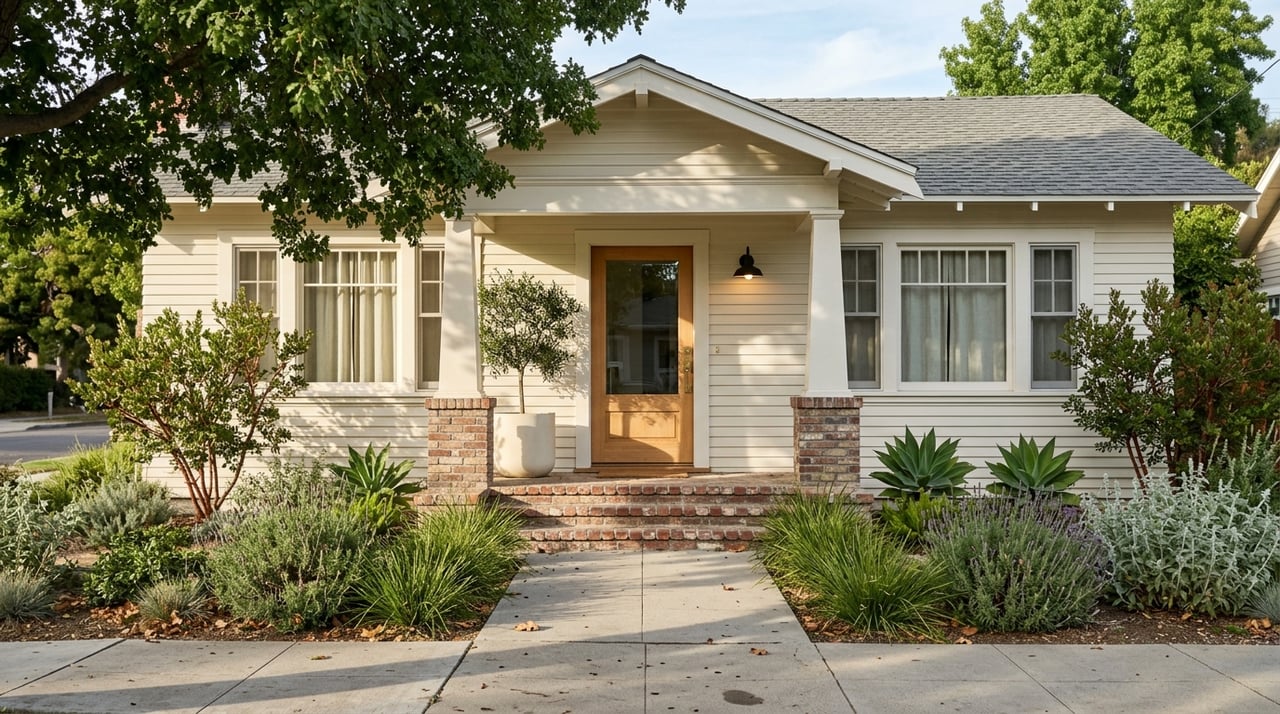
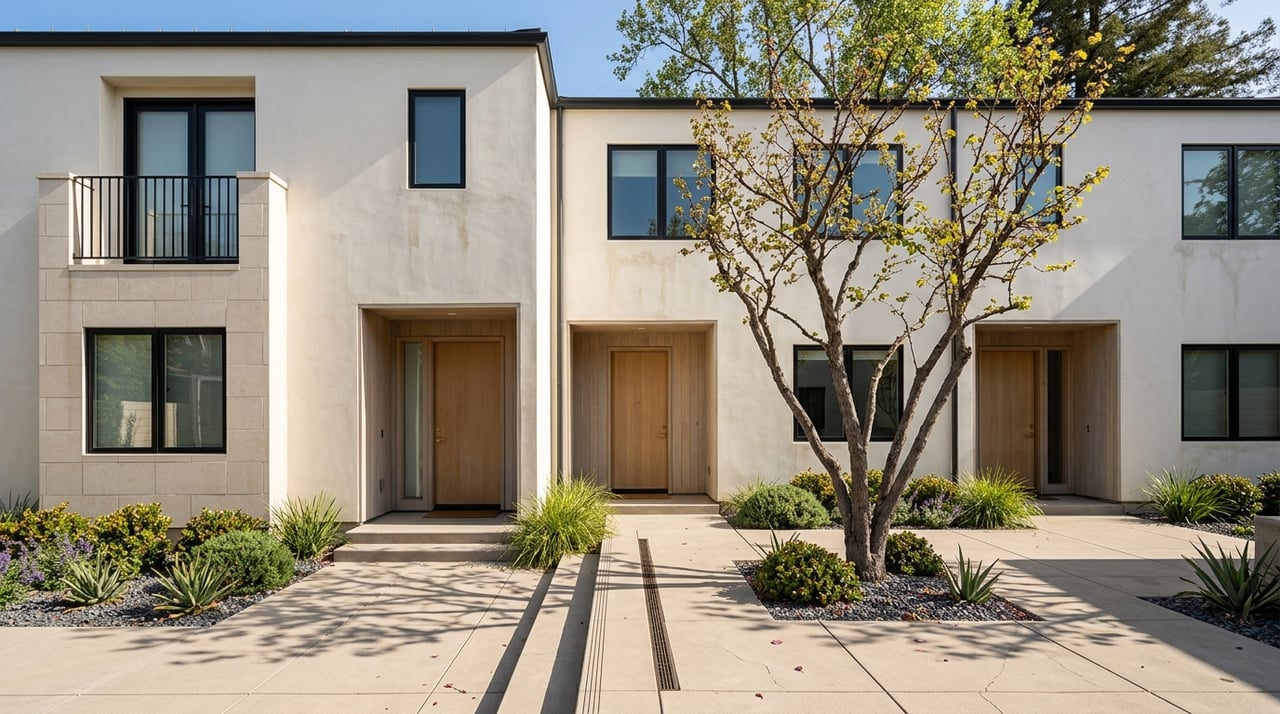
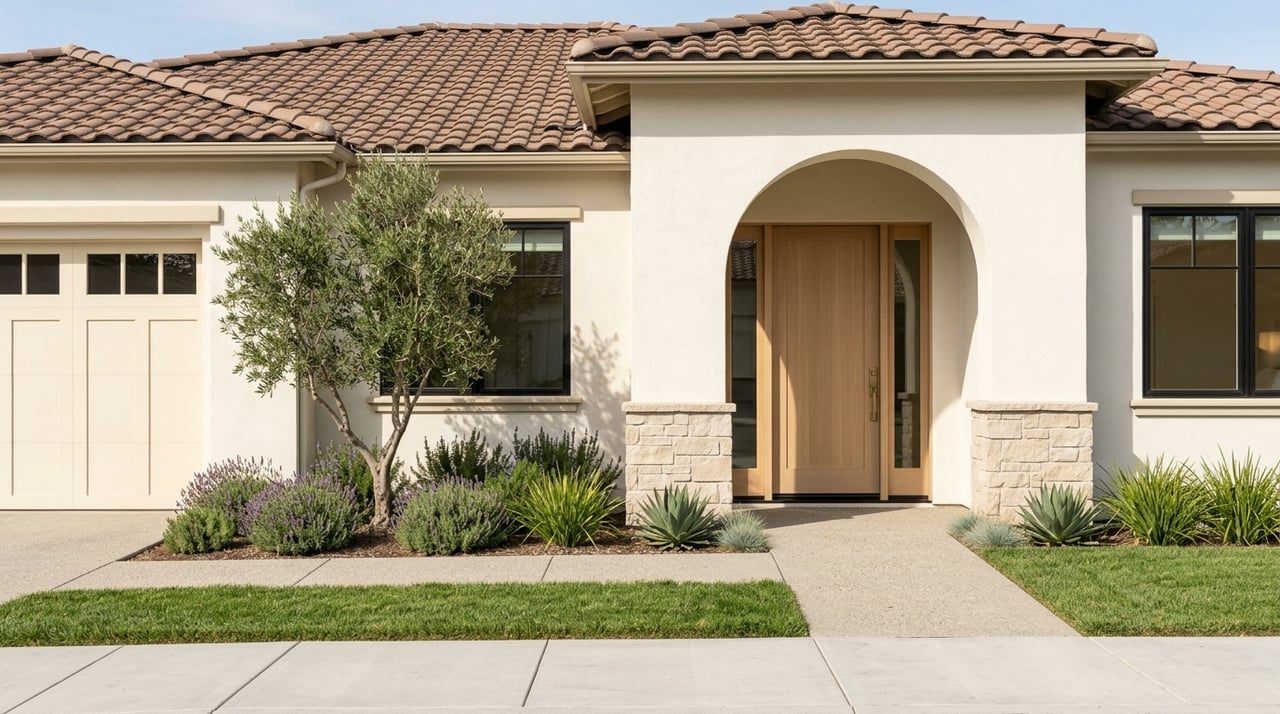
The housing near Glendora Village is not one-note. City historic-preservation materials describe a visually layered area that includes the downtown Village, nearby bungalows, and subdivisions from the 1950s and 1960s. That variety can be appealing if you want a neighborhood with more architectural texture and less repetition.
In and around the Village, you may see a mix of older homes, multifamily buildings, and evolving mixed-use spaces. The result is a neighborhood that feels established but not frozen in time.
A designated Historic District sits in the vicinity of Glendora Village. If you are considering an older home in that area, it is important to know that exterior changes within the historic district go through city review. For some buyers, that added review helps preserve neighborhood character. For others, it is a practical consideration that should factor into renovation plans.
City planning for the station area adds another layer to the housing story. In the T-5 Village Core, residential uses are allowed above commercial frontage, and the plan encourages a pedestrian-friendly commercial streetscape. In the nearby T-5A Village Transition area, the city describes an eclectic mix that includes folk cottages, Craftsman and Spanish Colonial bungalows, and post-war multifamily buildings.
Station-area studies also identify townhomes and garden apartments as feasible housing types near the station area. In simple terms, the area is evolving toward more walkable, mixed-use living options while still reflecting its older neighborhood fabric.
Glendora Village is likely to appeal most to buyers who want a character-rich main street environment with local businesses, civic events, and improved transit access. If you enjoy being near dining, coffee, community events, and a more active street scene, the area may feel like a strong fit.
It can also work well if you want that lifestyle without leaving Glendora’s broader suburban foothill setting. You are not choosing between a traditional suburb and a downtown district quite as starkly here. Instead, you are getting a village environment inside a larger residential city.
This area may especially appeal to:
The right fit often comes down to how close you want to be to the core. The most walkable blocks can feel more active and mixed-use, while streets farther from the Village may feel quieter and more residential.
The biggest thing to understand is that Glendora Village is best thought of as a village setting, not a purely residential enclave. That is part of its appeal, but it is also why lifestyle fit matters. If you want the energy of a downtown main street, you may love being close in. If you prefer more separation from activity, you may want to look just outside the busiest blocks.
It also helps to pay attention to the specific housing type and location. A bungalow near the historic district, a post-war multifamily unit, and a newer mixed-use residence can all offer very different living experiences even within the same general area.
What makes this area stand out is the combination of place and pattern. You have a historic downtown core, owner-operated businesses, public events, foothill scenery, and growing transit access all working together. That is not something every suburban community can offer in one compact area.
Glendora as a whole reports 52,558 residents, 16,751 households, 18,637 housing units, and a median household income of $106,718. Those local demographics help support the restaurants, boutique retail, and community programming that shape life in and around the Village.
If you are exploring Glendora, this is one of the city’s clearest lifestyle-driven locations. And if you are thinking about buying or selling near the Village, it helps to work with someone who understands how block-by-block character can influence both daily life and property value. If you want local guidance tailored to Glendora and the foothill communities, Lisa Warshaw Sheasby can help you plan your next move with clarity and care.
From start to finish, Lisa brings personalized service, powerful advocacy, and proven systems to help you reach your real estate goals.