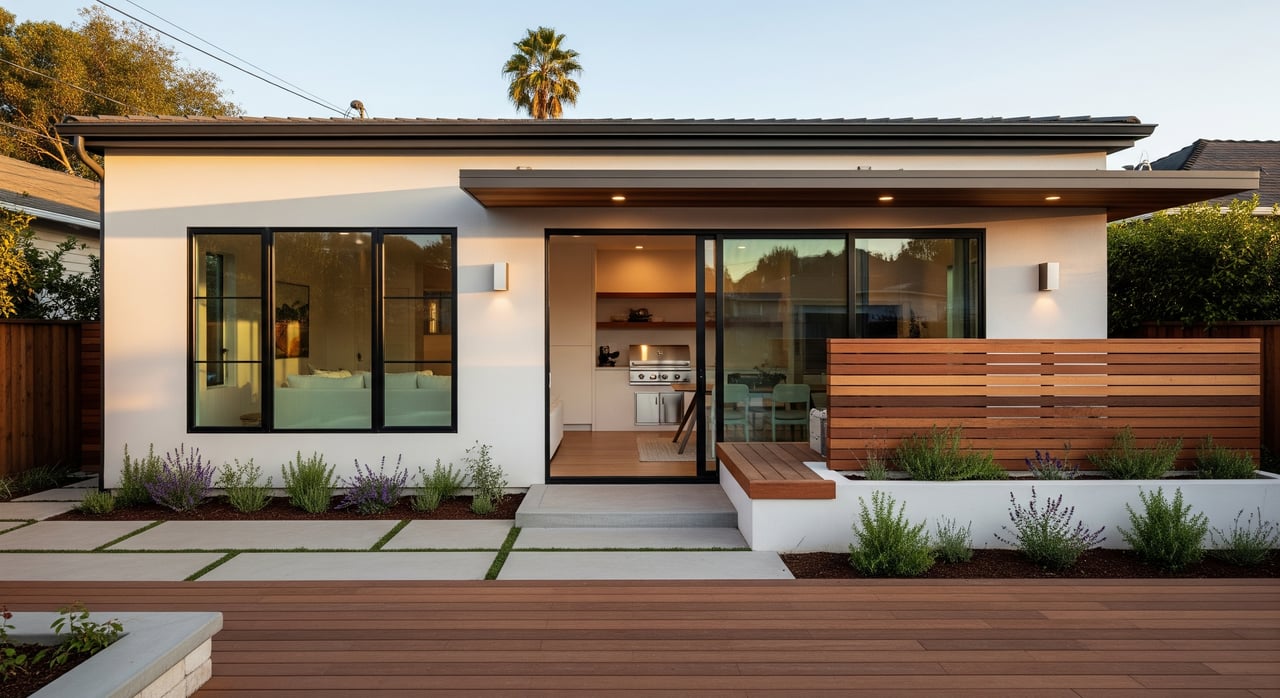
Understanding ADU Glendora Requirements & Options
January 1, 2026
January 1, 2026
Thinking about adding an ADU to your Glendora home, but not sure where to start? You’re not alone. Many local homeowners want flexible space for family, rental income, or smarter use of their lot, yet the rules can feel complex. This guide breaks down what counts as an ADU in California, what to confirm locally in Glendora, your design options, permitting timelines, and how an ADU may affect value. You’ll also get a simple checklist to move from idea to action. Let’s dive in.
Accessory Dwelling Units are secondary homes on the same lot as a primary residence. Common types include a detached cottage, an attached addition, a conversion of interior space, or a garage conversion. California also recognizes Junior ADUs, which are smaller units typically built within the existing footprint of the main home.
State law encourages ADUs to increase housing supply. Most qualifying applications are processed with ministerial approval when plans meet objective standards. Local cities can set objective rules for setbacks, height, and design, but they can’t create unreasonable barriers beyond state limits. For a helpful overview of state requirements, review the state ADU guidance from HCD.
Parking, utility connections, and impact fees are shaped by state law and local policy. In many cases, parking and certain fees are limited, and utility setup depends on the project’s scope. Your exact requirements are determined during local review.
While California sets the framework, Glendora’s Planning and Building & Safety Divisions apply local standards that affect design and cost. Before you sketch floor plans, confirm the following with the City of Glendora:
For contacts and current documents, start with the City of Glendora and request Planning and Building & Safety resources.
If you’re planning space for a parent or adult child, prioritize comfort and easy access. Ground‑floor layouts with zero‑step entries, wider doorways, lever handles, and a full bath on the main level can make daily life easier. Consider an attached ADU with a lockable interior door for flexible connection between households.
Shared systems can keep costs manageable. Separate HVAC zones, sound‑insulated walls, and private outdoor areas help everyone feel at home. If a full kitchen isn’t needed, a compact, functional kitchenette may be suitable depending on code.
For long‑term rentals, tenants value independence and privacy. A detached ADU with its own entrance, a full kitchen and bath, in‑unit laundry, strong internet, and a small private patio tends to attract more interest. Thoughtful parking plans and durable, low‑maintenance finishes can reduce ongoing headaches.
Want flexibility for both family use and occasional renting? Plan multi‑functional spaces like a murphy bed, a kitchenette that can be secured, and clearly separated building systems. Good soundproofing helps whether the unit hosts family or tenants.
Most qualifying ADUs are reviewed ministerially when your application is complete and consistent with objective standards. Many jurisdictions aim to make decisions within about 30 to 60 days of a complete submittal. Complex corrections can add time.
Typical project timelines in the Los Angeles metro area look like this:
From first sketches to final occupancy, many detached projects take about 6 to 12 months. Utility upgrades or design iterations can extend timing. Permitted ADUs are essential for safety, financing, and resale.
Construction costs vary with size, finish level, and site conditions. Conversions often land in a lower cost band, while new detached builds tend to be higher. Because pricing shifts with materials and labor, ask at least two local contractors for current bids before you set a budget.
Expect standard city fees such as plan check and building permits, utility connection fees, and possibly school or park impact fees. State law limits or exempts some fees for certain ADU sizes, but you’ll want to confirm the current Glendora fee schedule when you begin planning.
Common financing routes include cash, a HELOC or home equity loan, construction financing, or a cash‑out refinance. Some lenders offer ADU‑specific loan products. California agencies and some local jurisdictions periodically offer grants, low‑interest loans, or technical assistance programs, so check current availability.
ADU construction is typically treated as new construction for property tax assessment in California, which means your assessed value will increase. For guidance on how new construction is assessed, consult the Los Angeles County Assessor.
Update your homeowner’s insurance to reflect the new structure and its use. If you plan to rent the ADU, ask about landlord coverage or endorsements for tenant liability and property damage. Verify coverage for separate structures and short‑term use, if applicable.
A well‑designed, permitted ADU often improves marketability by appealing to multigenerational buyers and those seeking rental income. However, added value is not always dollar‑for‑dollar with construction cost. Local demand, build quality, privacy, parking, and documentation all matter.
Appraisers pay close attention to permitted status, functional independence, and quality. Separate entrance, a real kitchen and bath, and clear utility arrangements are viewed favorably. When sales data on comparable ADU properties is limited, appraisers may consider rental income to inform value. Keep records of permits, final inspection, and any rental history to support appraisal and buyer confidence.
Whether you’re planning space for a loved one or building long‑term rental income, the right ADU can unlock real utility and future value. Start by confirming the local rules, then design for the people who will live there and the way you want to use the space.
If you want help weighing the payoff for resale, creating a plan that appeals to local buyers, or connecting with trusted designers and contractors, reach out to Lisa Warshaw Sheasby for a friendly, no‑pressure conversation.
From start to finish, Lisa brings personalized service, powerful advocacy, and proven systems to help you reach your real estate goals.