La Verne Home Prices Guide to Styles and Tiers
December 18, 2025
December 18, 2025
Wondering which La Verne neighborhood fits your lifestyle and what you can expect to pay? You are not alone. With a mix of historic charm, mid-century classics, and newer builds, La Verne offers a little of everything for buyers at different stages. In this guide, you will learn how styles and locations map to price tiers, what trade-offs to expect, and how to shop smart with inspections and permits in mind. Let’s dive in.
La Verne sits in the Pomona Valley of eastern Los Angeles County, bordered by Claremont, San Dimas, and Pomona. Most homes are single-family, with pockets of condos and townhomes near commercial corridors. You will find period bungalows around Old Town, post-war ranches across established neighborhoods, Spanish-influenced homes sprinkled throughout, and newer subdivisions on the city’s edges.
Market conditions shift quickly in Southern California. Median prices, inventory, and days on market change month to month. The best way to ground your budget is to review recent 3 to 6 month closed sales and the current active inventory for La Verne. Always verify current prices with active MLS data and request a custom CMA before making decisions.
Close to shops and restaurants, Old Town offers period bungalows, Craftsman cottages, and Spanish Revival homes on smaller, walkable lots. These properties deliver character and convenience, often with detached garages or alley access. Expect potential trade-offs like older systems, smaller footprints, and renovation needs.
North and northeast La Verne rise into the foothills, where lots can be larger and some homes enjoy views. Spanish-influenced and newer custom or semi-custom properties appear here alongside updated ranch homes. Pricing often reflects lot size, slope, privacy, and view potential.
Between Old Town and the foothills, you will find post-war ranches, mid-century homes, and later infill builds with moderate lot sizes. Toward major corridors and city edges, newer subdivisions and multi-family clusters offer more affordable entry points and HOA-managed communities.
Built in the early 1900s to 1930s, these homes feature front porches, original woodwork, and classic details. Many are near Old Town and surrounding grid streets. You get charm and walkability, with a plan to evaluate systems, plumbing, and electrical during inspections.
From the 1940s to 1960s, La Verne grew with single-story ranch and split-level designs. They appeal for their broad lots, flexible layouts, and single-level living. Many need kitchen and bath updates, roof checks, and possible seismic or foundation improvements.
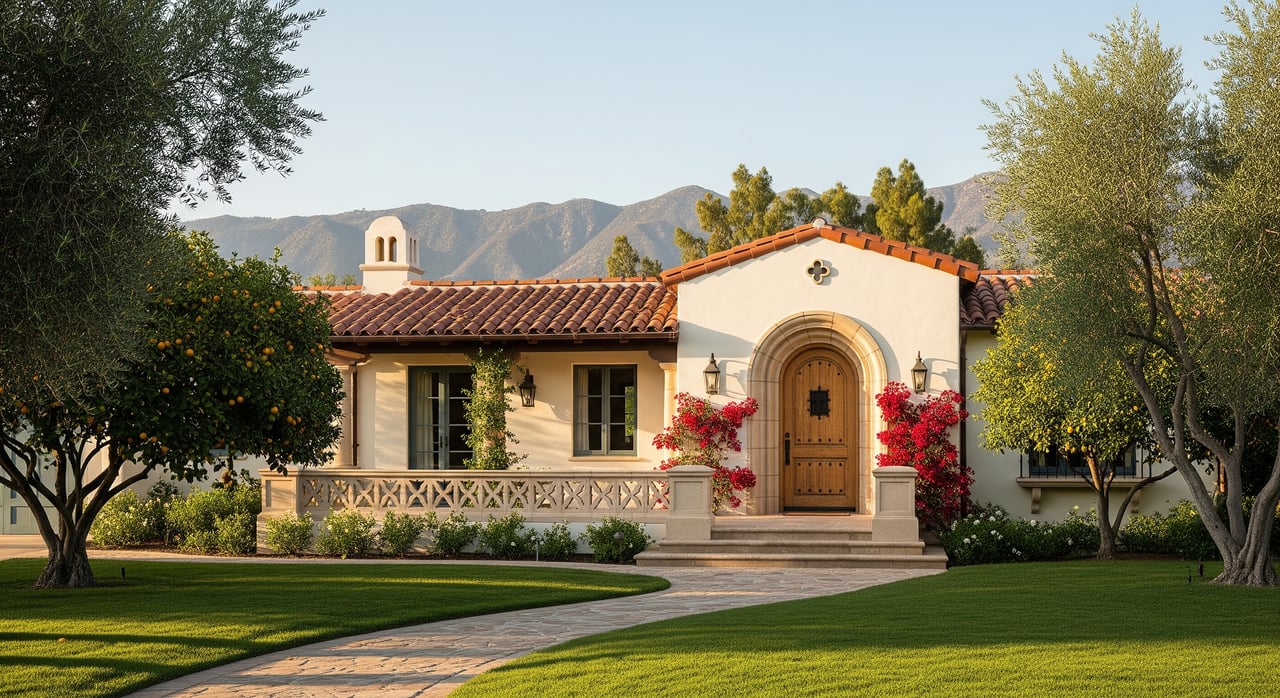
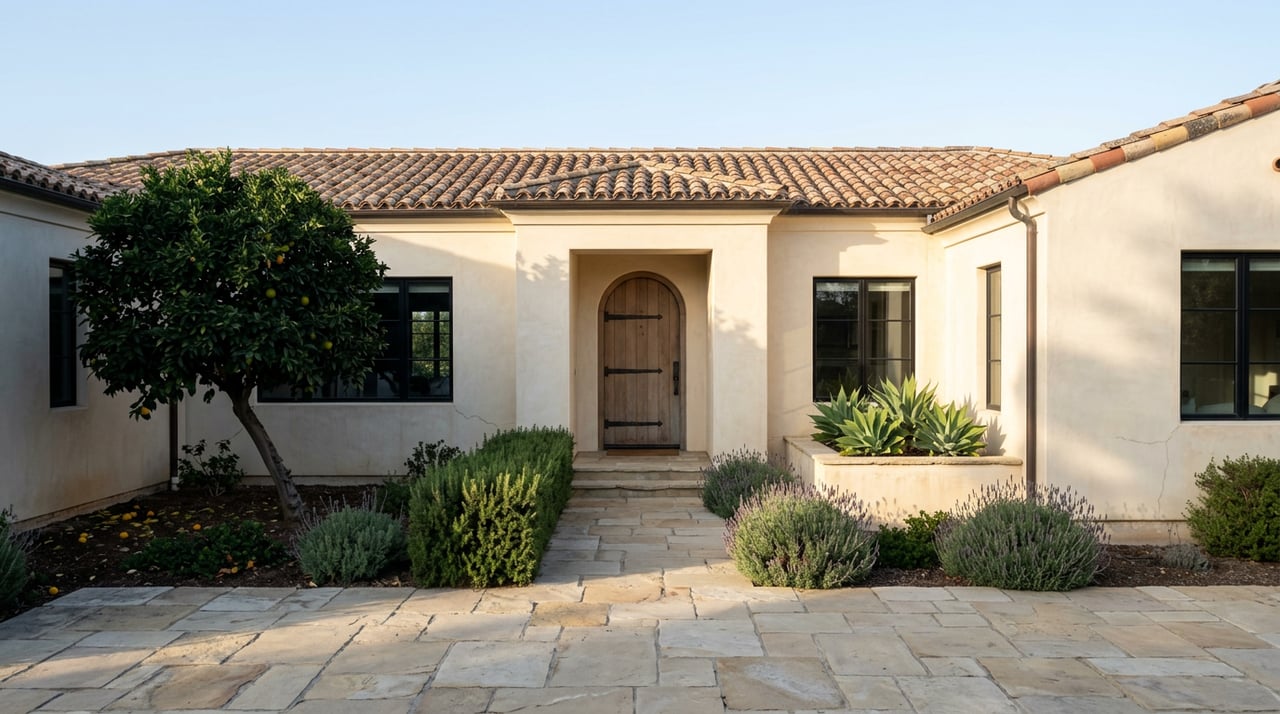
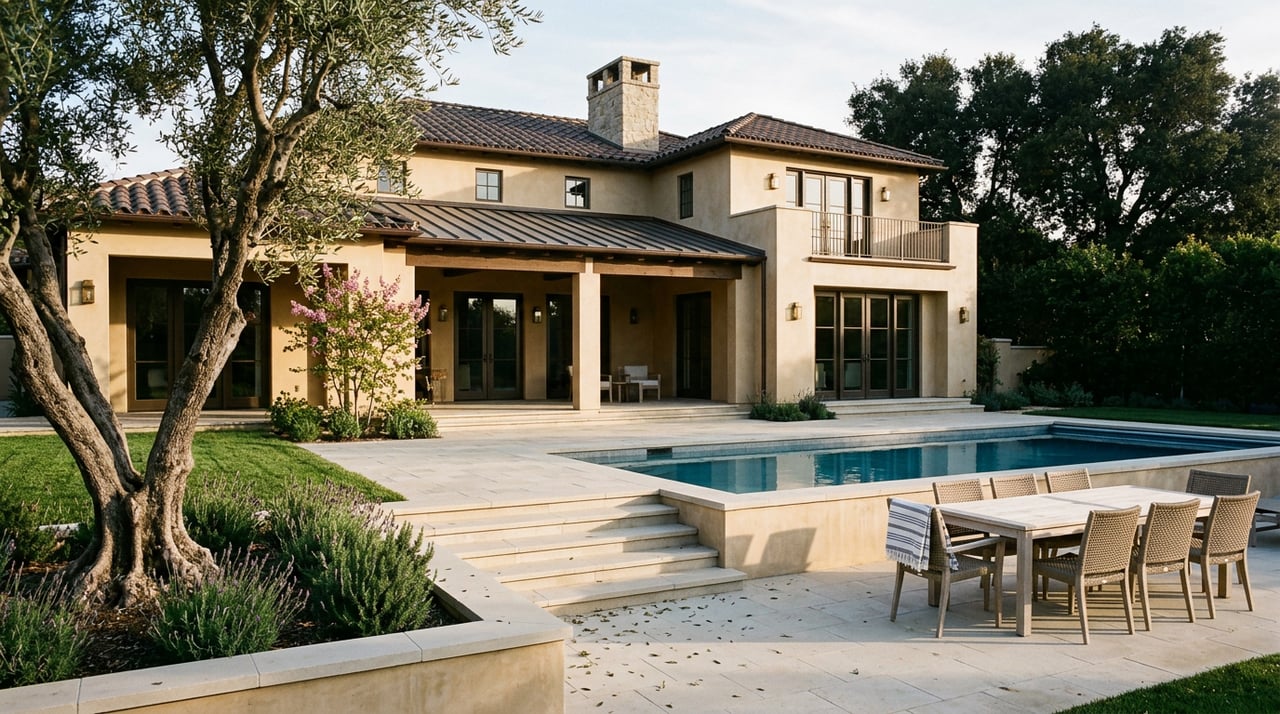
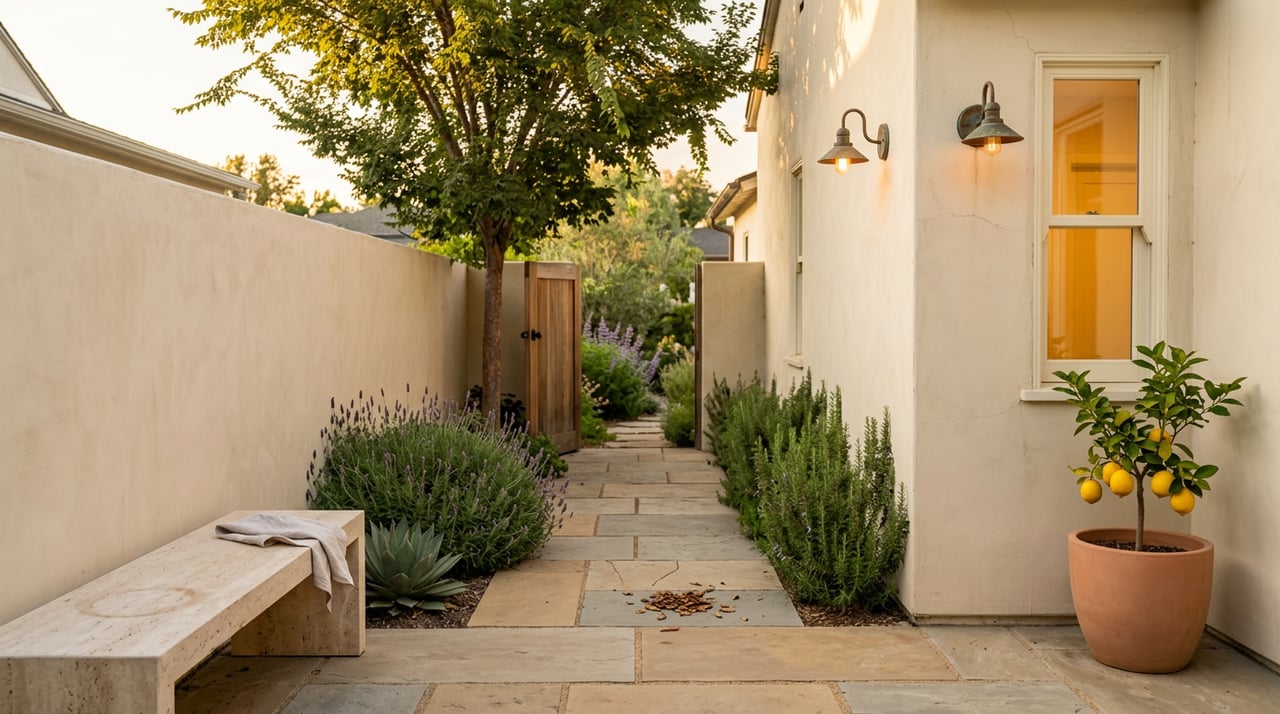
Stucco walls, arches, courtyards, and tile roofs define these homes. You will find them in both older neighborhoods and foothill parcels. Budget for potential tile roof maintenance and stucco repair when evaluating total cost of ownership.
From the 1980s to today, newer construction brings larger square footage, attached garages, and modern floor plans. Some communities have HOAs that cover exterior upkeep or shared amenities. Expect higher price per square foot compared to older stock and, at times, smaller yards in infill locations.
Smaller footprints and lower maintenance attract first-time buyers and downsizers. HOAs manage common areas and enforce community rules. Monthly dues vary, so factor them into affordability when comparing against single-family options.
Because pricing changes constantly, it helps to think in tiers tied to style, condition, and features rather than just zip codes.
Older homes sometimes have unpermitted additions or garage conversions. Ask for permit history from the seller and confirm with the City of La Verne’s building department. During your inspection contingency, review records for additions, major system replacements, and any open permits. If records are unclear, build in time to verify before releasing contingencies.
These are planning figures. Actual costs depend on materials, labor, final scope, and the age and condition of the home.
Clarify your must-haves vs. nice-to-haves. Decide how you weigh lot size, walkability, views, single-level living, and renovation tolerance.
Get pre-approved. Knowing your financing range helps you act quickly in a competitive market and compare tiers realistically.
Request a custom CMA. Ask for a current analysis of active, pending, and recent 3 to 6 month sold comps for your target style and area.
Tour across tiers. See an entry-tier option, a mid-range home, and a premium property on the same day. You will learn how updates, lots, and locations affect price.
Factor HOAs and utilities. In newer subdivisions or condo/townhome communities, monthly dues and common-area rules affect both budget and lifestyle.
Protect your contingencies. Build in time for inspections, permit checks, and contractor walk-throughs, especially with older homes.
Think long-term value. A smaller lot in a walkable area or a larger foothill parcel with privacy can both be smart choices. Focus on fit, resale appeal, and total cost of ownership over headline price alone.
When you are ready to compare neighborhoods or narrow by style, connect with a local advisor who understands the Inland Foothills and can coordinate vendors, inspections, and smooth timelines.
Ready to find your fit in La Verne? Schedule a Free Concierge Consultation with Lisa Warshaw Sheasby for a local CMA, neighborhood guidance, and a plan to tour the right homes for your budget and lifestyle.

From start to finish, Lisa brings personalized service, powerful advocacy, and proven systems to help you reach your real estate goals.