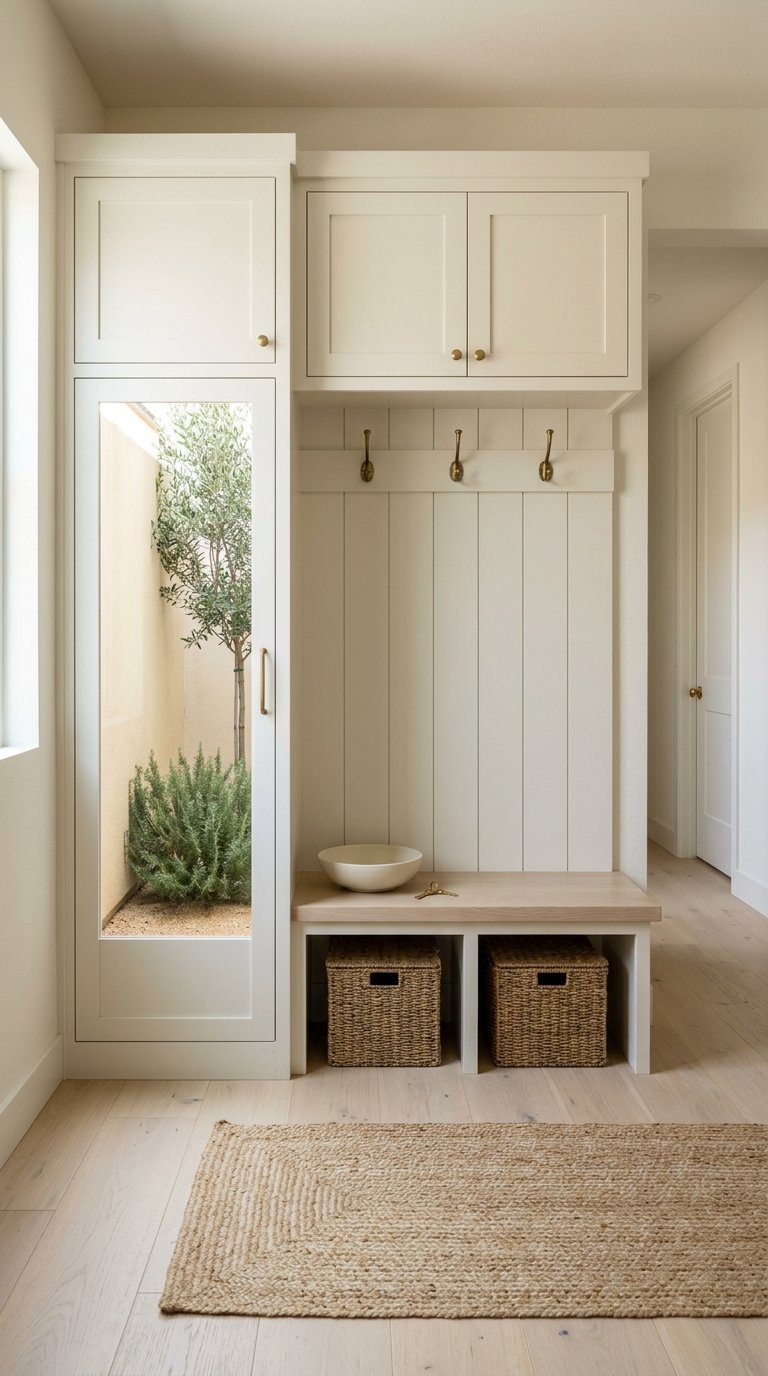
Claremont Listing Prep For Busy Working Families
May 14, 2026
May 14, 2026
If you are juggling school drop-offs, work deadlines, sports schedules, and a house that still looks lived in by 7 a.m., getting your Claremont home ready to list can feel overwhelming. The good news is you probably do not need a full remodel to make a strong impression in this market. With the right plan, you can focus on the prep that matters most, protect your time, and get your home photo-ready without turning family life upside down. Let’s dive in.
Claremont is a higher-value, owner-occupied market with a strong single-family identity. The City of Claremont reports 35,640 residents, a median household income of $122,127, and a 65.5% homeownership rate, which helps explain why many sellers here are established households balancing busy routines.
Pricing data also points to a market where presentation matters. Recent 91711 data shows median list prices around $1.0875 million, while Redfin reports a Claremont median sale price near $1.0915 million. The exact number can vary by source and timing, but the bigger takeaway is clear: Claremont is an expensive, competitive market where buyers notice condition, photos, and first impressions.
When your schedule is packed, the goal is not to do everything. The goal is to do the right things in the right order.
According to 2025 staging research from NAR, 83% of buyers’ agents said staging made it easier for buyers to picture a home as their own. Sellers’ agents also reported faster sales in 49% of cases, and 29% said staging increased the dollar value offered by 1% to 10%.
That does not mean every room needs designer furniture or a major budget. It means decluttering, cleaning, selective staging, and polished marketing should move to the top of your list.
If you only have time for two major tasks at first, make them these. NAR found that the most common recommendations from sellers’ agents were decluttering the home at 91% and cleaning the entire home at 88%.
For busy working families, this is great news because these steps are practical and high impact. You are not rebuilding anything. You are making the home feel more open, calmer, and easier for buyers to understand.
Try this simple approach:
A lived-in home is normal. A visually crowded home can make rooms feel smaller in listing photos and in person.
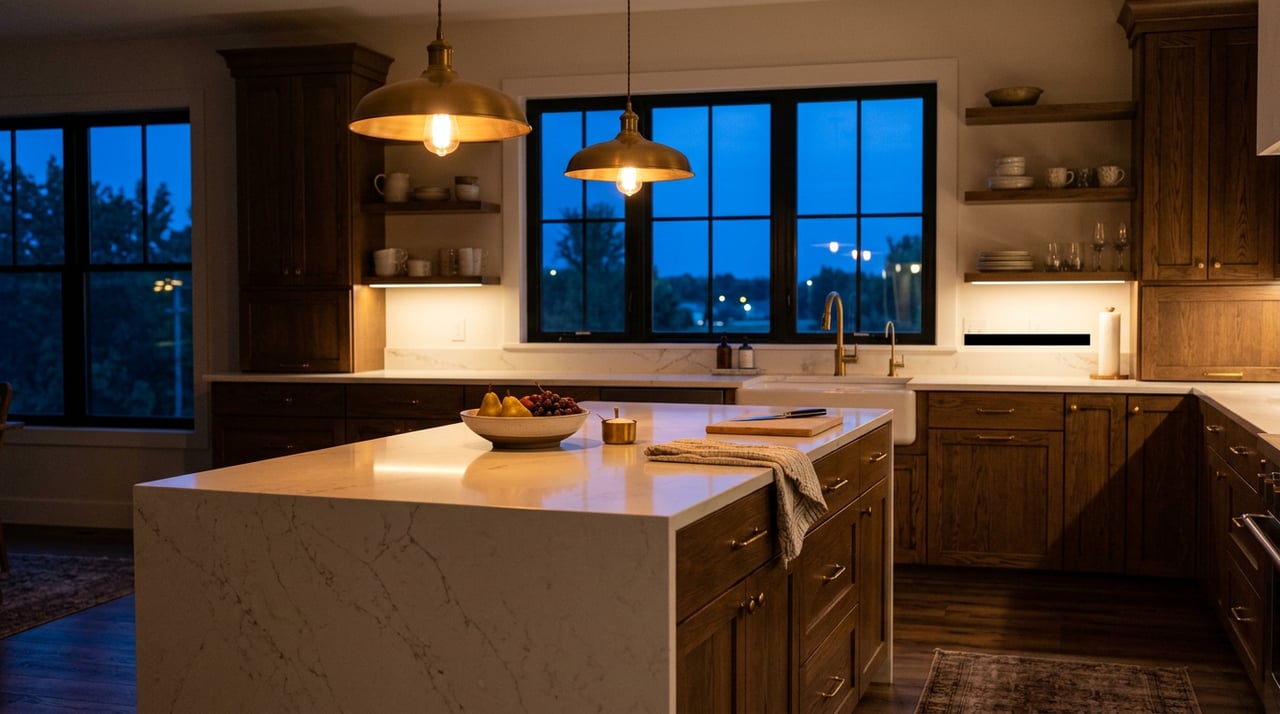
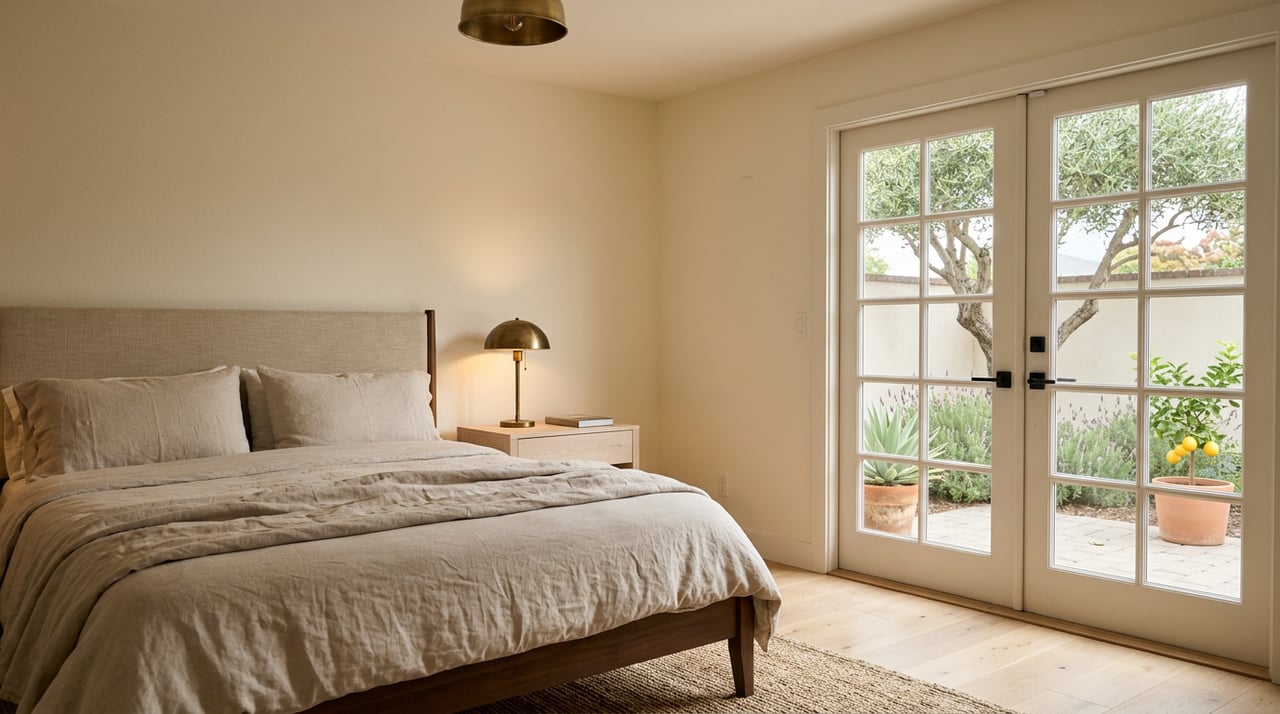
Not every space carries the same weight. NAR’s staging snapshot says the rooms buyers care about most are the living room, primary bedroom, dining room, and kitchen.
If your time and budget are limited, put your energy there first. A clean, lightly styled living room and kitchen often do more for your listing than perfecting every guest room or garage shelf.
Here is a smart priority list for families:
That order helps you spend energy where buyers are most likely to form their first impressions.
One of the most common mistakes busy sellers make is rushing photography before the home is truly ready. In practice, that often means clutter gets cropped instead of removed, or small issues show up more clearly in photos than they do in real life.
NAR research highlights the importance of photos, physical staging, videos, and virtual tours. That means your photo day should be treated like a finish line, not a starting point.
Before photography is booked, aim to have these items complete:
For a concierge listing experience, professional photography and videography work best when every prep decision leads up to that day.
For most Claremont families, the right question is not, "What can we renovate?" It is, "What will buyers notice right away?"
The research supports a practical answer. The most valuable prep is usually not a full remodel. It is selective work that removes distractions and helps buyers picture the home clearly.
Focus first on repairs like these:
A fresh, neutral paint palette can also help tone down bold or highly personalized finishes. If your home has strong color choices, repainting selected areas may be one of the fastest ways to broaden buyer appeal.
Claremont is known for stately single-family homes, including many with historical significance. If your home was built before 1978, repair and paint plans need extra care.
The EPA says renovation, repair, and painting work in pre-1978 homes can create significant lead dust. Federal law also requires sellers of most pre-1978 housing to disclose known lead-based paint information, provide the EPA pamphlet, include the required warning statement, and allow a 10-day inspection or risk-assessment period.
For you, the takeaway is simple: do not save paint and repair decisions for the week before photos. Screen older homes early, and if lead-safe work may be needed, bring in the right professionals before your timeline gets tight.
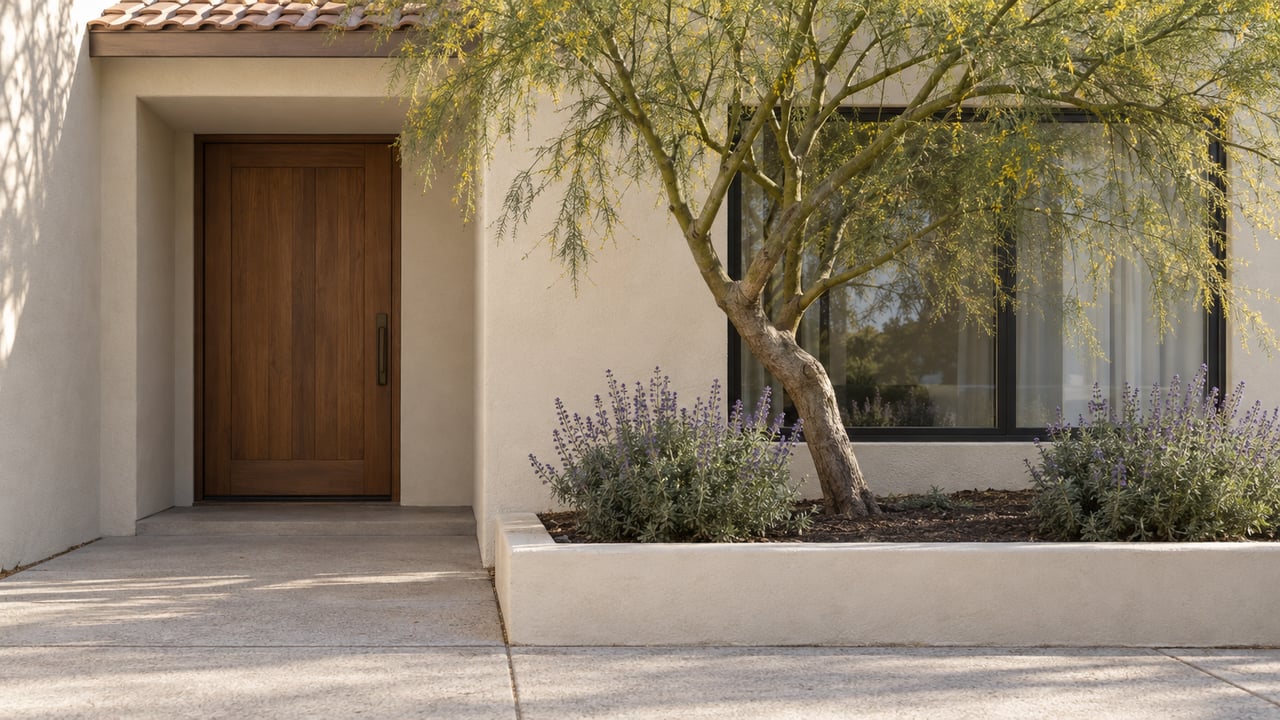
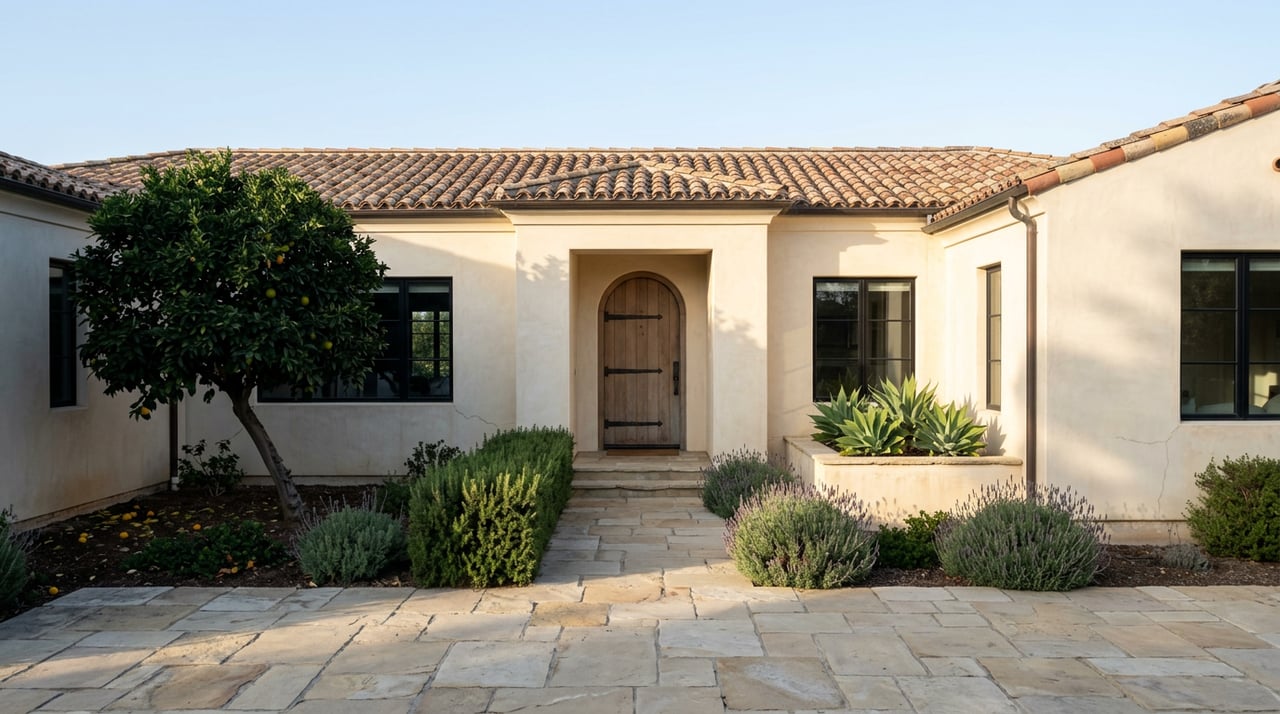
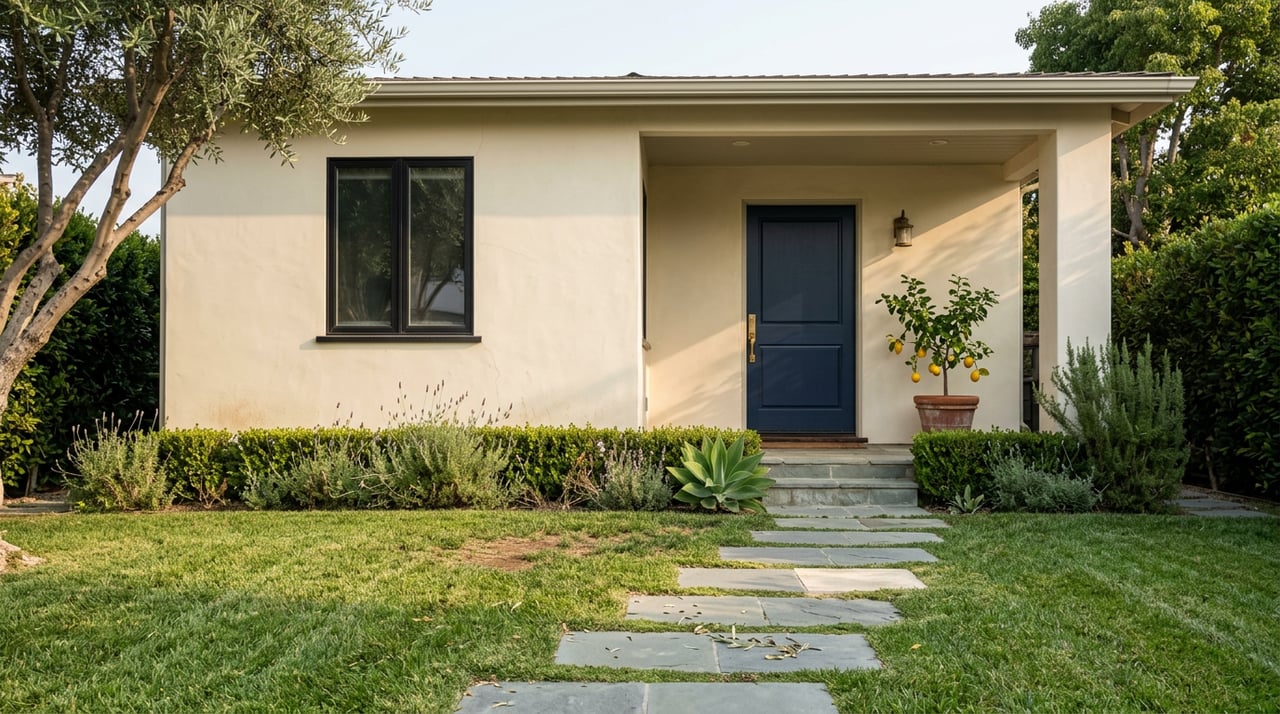
In Claremont, the exterior matters. The city emphasizes tree-lined streets, landscaped neighborhoods, and a long tradition of manicured private homes.
That does not mean you need a major landscape redesign before listing. In fact, for busy households, the most realistic curb appeal plan is often a tidy refresh rather than a full overhaul.
A strong pre-list exterior checklist usually includes:
Claremont also encourages climate-appropriate, low-water-use planting and efficient irrigation. For larger landscape installation or rehabilitation projects, local water-efficient landscaping rules can apply, so major changes should be reviewed before work begins.
Some Claremont homes have added review considerations. If your property is a designated historic resource or located in a historic district, the city requires a Certificate of Appropriateness before certain demolition, alteration, relocation, or new construction work affecting that resource.
That matters if you are considering new windows, façade updates, exterior paint changes tied to historical features, or significant landscape changes. Before booking major exterior work, confirm what rules apply to your property.
For sellers on a deadline, this is another reason to start planning early. It is much easier to adjust the scope of work at the beginning than after vendors are booked.
If your weekdays are full, a phased plan is usually more sustainable than trying to do everything in one weekend. Breaking prep into short bursts keeps the process manageable and helps your household stay functional.
Start with the rooms buyers care about most. Remove excess furniture, packed shelves, personal collections, and daily clutter.
If needed, move packed boxes to storage or a neatly organized garage zone. The goal is to create breathing room, not perfection.
Schedule a whole-home deep clean and tackle minor fixes. This is the week to patch walls, replace bulbs, tighten hardware, and address small maintenance issues.
If the home is older, this is also the time to assess whether any paint or repair work needs lead-safe handling.
Focus on the living room, kitchen, primary bedroom, and dining room. Then turn to the exterior with pruning, mulching, and entry cleanup.
This is where selective staging can make the home feel intentional without overcomplicating your life.
Once the home is fully ready, schedule professional photography and videography. This final phase should feel like a coordinated launch, not a scramble.
When everything is sequenced well, you avoid paying for marketing assets that do not show the home at its best.
California sellers also have disclosure responsibilities that need careful timing. The state’s Transfer Disclosure Statement applies to most single-family residential transfers, and the Natural Hazard Disclosure Statement covers mapped flood, fire, earthquake fault, and seismic hazard zones. For pre-1978 homes, federal lead disclosures are added on top of California forms.
That is one reason a concierge listing process can be so valuable. Instead of trying to manage inspections, vendor bids, repairs, staging, photography, and paperwork on your own, you can move through a clear sequence with fewer calendar collisions and fewer last-minute surprises.
In a market like Claremont, where homes are valuable and buyers are paying attention, good listing prep is not about doing more. It is about doing the work that helps your home show well, photograph beautifully, and hit the market with confidence.
If you want a tailored, low-stress plan for your sale, Lisa Warshaw Sheasby offers a concierge listing approach with hands-on prep coordination, curated vendors, and polished marketing designed for Claremont sellers.




From start to finish, Lisa brings personalized service, powerful advocacy, and proven systems to help you reach your real estate goals.