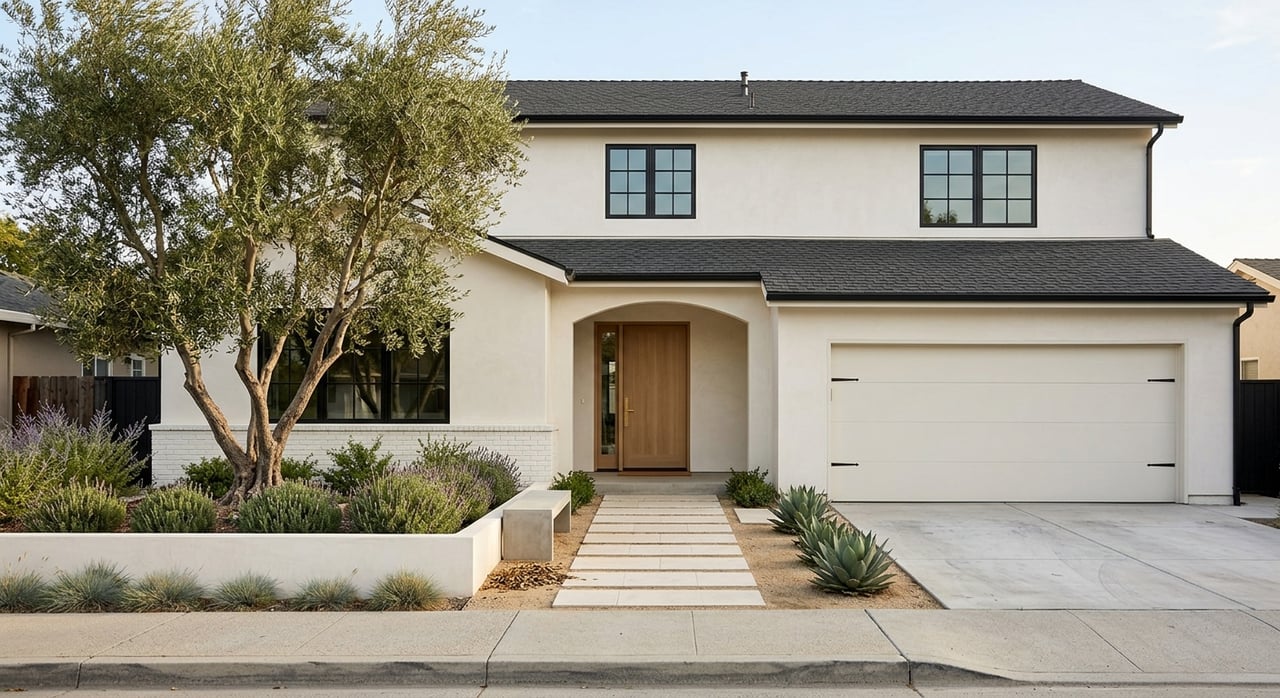
Glendora vs Claremont: Which Move-Up Path Fits?
April 16, 2026
April 16, 2026
Wondering whether to move up in Glendora or look at nearby foothill cities instead? If you want more space, a different home style, or an easier daily routine, the right answer often comes down to fit, not just price. This guide will help you compare Glendora with Claremont, La Verne, Upland, and Rancho Cucamonga so you can narrow your search with more confidence. Let’s dive in.
For move-up buyers, the first question is usually simple: how far will your budget go? A helpful starting point is the latest Census estimate of owner-occupied home values and monthly owner costs, which gives you a directional look at how these cities compare.
In this five-city group, Claremont and Glendora sit at the higher end. La Verne falls in the middle, while Upland and Rancho Cucamonga are closer to the low-$740,000 range.
Here is the side-by-side snapshot from the research:
| City | Median Owner-Occupied Value | Median Monthly Owner Cost With Mortgage | Mean Travel Time to Work |
|---|---|---|---|
| Glendora | $862,700 | $3,195 | 33.1 min |
| Claremont | $897,000 | $3,393 | 27.0 min |
| La Verne | $817,000 | $3,056 | 32.8 min |
| Upland | $739,400 | $2,912 | 31.1 min |
| Rancho Cucamonga | $740,200 | $2,947 | 32.3 min |
These figures are best used as broad signals, not exact pricing guidance for any specific home. Still, they can help you decide whether your next step should focus on stretching for a preferred location, or widening the search for more square footage or a different lot setup.
A move-up search is not only about buying a larger home. It is also about choosing the kind of property that better matches your next stage, whether that means a detached house, lower maintenance, more parking, or space for future changes.
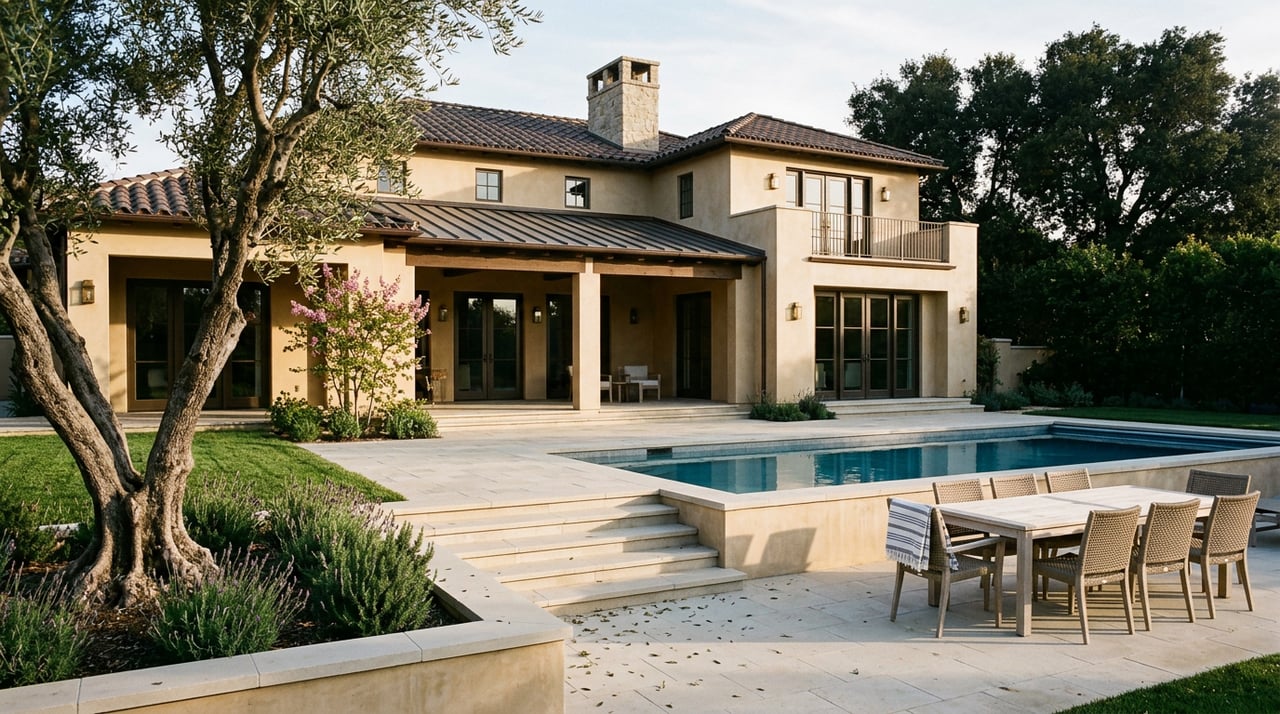
According to the city’s housing element, single-family detached homes are the most common housing type in Glendora, with homes ranging from older cottages to hillside estates. The same document notes that growth slowed after 1990 because vacant land became scarce.
For you, that may mean Glendora can offer established detached-home neighborhoods and a broad style range, but possibly fewer opportunities for large-scale new expansion. If your goal is a classic foothill single-family feel, Glendora often belongs on the shortlist.
Claremont describes a housing mix that includes stately single-family homes along with condominiums, townhouses, and apartments. Its housing element says 78.2% of units were single-family and 21.7% were multi-family, with higher density along major roads and near commercial and office areas.
La Verne includes diverse single-family and multiple-family housing opportunities, including condominiums and townhouses. Upland supports single-family homes, mobile homes, and multi-family properties, and its ADU rules allow accessory units on both single-family and multi-family lots. Rancho Cucamonga says its housing stock primarily consists of single-family homes, while also including attached housing, ADUs, and mixed-use development patterns.
The big takeaway is this: the foothills are not one uniform market. You may find that one city fits your budget, while another better fits your preferred home type and daily routine.
When buyers compare Glendora with nearby cities, commute time alone rarely tells the full story. In this group, mean travel times are fairly close, so station access, freeway routing, and where you actually work may matter just as much as the city name on the address.
Metro says the Glendora-to-Pomona A Line segment opened on September 19, 2025, and that Glendora Station is a short stroll from Glendora Village and served by Foothill Transit Line 284. That can be a meaningful convenience if you want rail access near a walkable downtown setting.
The A Line extension also includes the La Verne/Fairplex Station, located north of Arrow Highway and east of E Street between the University of La Verne and the Pomona Fairplex. If rail access is part of your must-have list, both cities deserve a close look.
Claremont Station and Upland Station are served by Metrolink’s San Bernardino Line. Metrolink also notes that Claremont Village is a short walk from the station, which can shape the feel of your day if you value nearby shops and services.
Randcho Cucamonga Station is also on the San Bernardino Line, and Metrolink references an Ontario International Airport shuttle connection from the station. If your routine includes regional travel, that added connection may stand out.
A smart move-up purchase supports how you want to live every day. That includes outdoor access, downtown activity, convenience, and the amount of upkeep you want to take on.
Glendora sits at the base of the San Gabriel Mountains and offers about 19 miles of hiking, equestrian, and multi-use trails across Big Dalton and South Hills wilderness areas. The city also describes Glendora Village as a three-block downtown district with parklets, outdoor dining improvements, and a central plaza for community events.
If you want a blend of detached housing patterns, foothill access, and a defined downtown area, Glendora may strike the right balance. It can be especially appealing if outdoor access and a village setting both matter to you.
Claremont highlights Claremont Hills Wilderness Park, which has grown to more than 2,000 acres and includes more than 20 miles of trails. The city also points to its parks, tree-lined streets, the Claremont Colleges, and the historic downtown Village.
La Verne positions Old Town La Verne as an event-oriented downtown with specialty shops and restaurants, while also noting about 110 acres of parks and proximity to Frank G. Bonelli Regional Park. Upland emphasizes parks, recreation programs, and community facilities through its city recreation resources. Rancho Cucamonga highlights destinations and amenities such as the Pacific Electric Trail, North Etiwanda Preserve, Beryl Park East’s inclusive playground, and the Victoria Gardens Cultural Center through its city materials.
Rather than ranking these cities, it helps to think in patterns. One buyer may prioritize trail access and foothill scenery, while another wants a station stop, a downtown core, or broader retail access.
Before you start touring, narrow your search using practical filters. This can save time and help you compare homes in a way that feels more useful than simply jumping from one listing to the next.
These questions matter because two homes with similar square footage can feel very different in daily life. The right move-up choice usually comes from aligning budget with your real habits, not just your wish list.
If you are comparing multiple foothill cities, try grouping your tours by lifestyle pattern instead of price alone. This makes it easier to notice what actually fits.
For example, one day might focus on detached-home neighborhoods in Glendora and Claremont. Another could compare La Verne with Upland if you want to test value, layout, and maintenance tradeoffs. A third could look at Rancho Cucamonga if you want to compare single-family options with major retail, trail access, and regional connections.
As you tour, pay attention to what happens between the house and the rest of your day. Notice the drive to errands, station access, parking setup, street activity, and how the neighborhood feels at different times. Those details often shape long-term satisfaction more than a few extra interior features.
If you are planning a move-up purchase in Glendora, Claremont, La Verne, Upland, or Rancho Cucamonga, working with a hyperlocal guide can help you compare lifestyle fit, housing patterns, and next-step strategy with less stress. When you are ready, connect with Lisa Warshaw Sheasby to schedule a Free Concierge Consultation.

From start to finish, Lisa brings personalized service, powerful advocacy, and proven systems to help you reach your real estate goals.