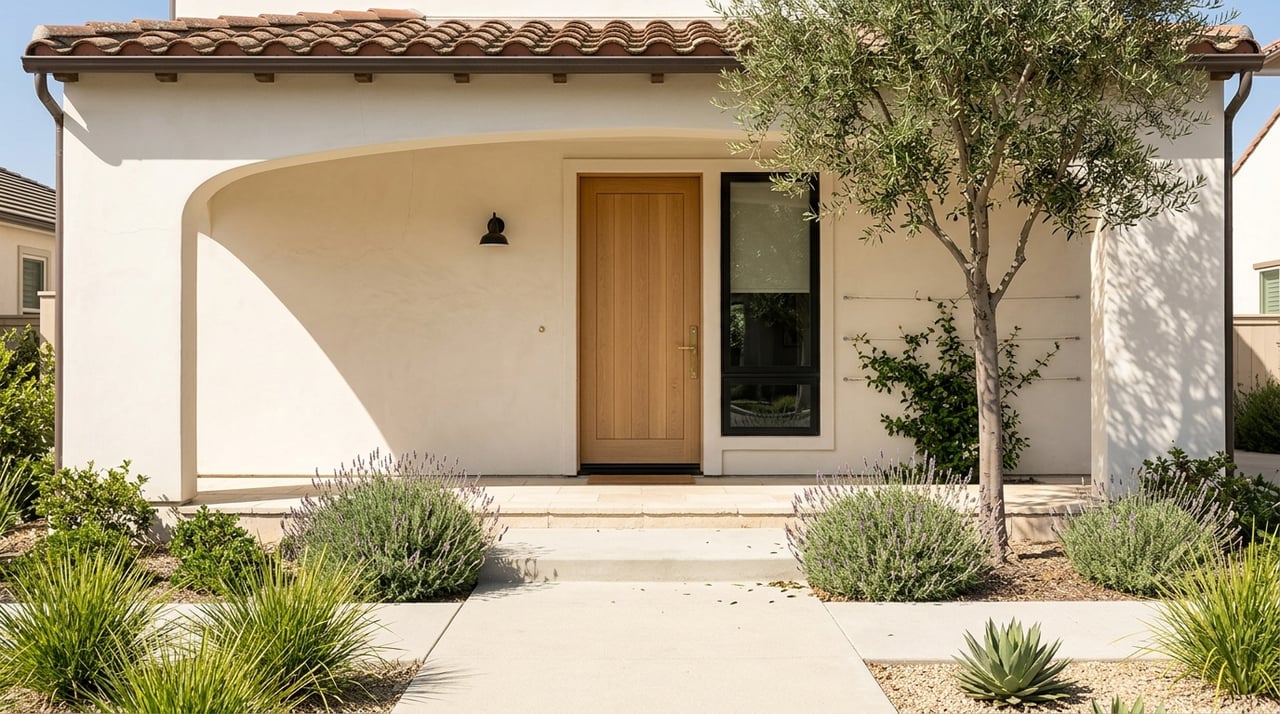
Preparing An Inherited Claremont Home For Market
April 2, 2026
April 2, 2026
If you have inherited a home in Claremont, you may be asking the same question many families do: what should you fix, what should you leave alone, and how do you get the property ready to sell without creating more stress? Between sorting personal belongings, coordinating with family, and figuring out what the house actually needs, it can feel like a lot all at once. The good news is that a clear plan can make the process much more manageable and help you prepare the home for a strong market debut. Let’s dive in.
Preparing an inherited home for market usually works best when you treat it as an organization and presentation project first. In Claremont, that approach makes sense for both practical and financial reasons.
According to Redfin’s Claremont housing market data, the median sale price was $930,000 as of February 2026, homes sold in about 33 days, and 41.7% sold above list price. That means buyers are active, but presentation and condition can still shape how much attention your home gets and how strong your offers may be.
Claremont’s housing stock is also older than many people expect. The SCAG Claremont local profile says 61.6% of the city’s housing stock was built before 1970, and 65.9% of units are single-family detached. For inherited homes, that often means the smartest prep plan includes condition checks, safety awareness, and selective updates rather than a full remodel.
Before you start clearing closets or calling contractors, make sure the property is protected and documented. This first step helps you avoid confusion later and gives you a clean starting point for decisions.
A practical sequence is to secure access, confirm utilities and insurance, document the home’s current condition with photos, and then decide what truly needs repair versus what simply needs cleaning. That order helps you separate emotional decisions from practical ones.
If multiple heirs or family members are involved, this is also the right time to set expectations. A shared plan early on can reduce misunderstandings and keep the process moving.
One of the biggest mistakes families make is clearing the house too quickly. Before furniture is moved or drawers are emptied, create a written inventory and sort items into four simple groups:
Move.org’s estate sale guidance recommends identifying what is definitely not for sale first and building a detailed inventory before the clean-out begins. That matters because the process often takes about a month or longer, especially when several people need to weigh in.
If you are working with siblings or other heirs, one shared list is often the simplest solution. Everyone can review the same information and agree in advance on which items stay with the family and which items will be sold or removed.
Many inherited Claremont homes were built decades ago, so age-related issues deserve extra attention. Cosmetic work may seem simple at first, but older materials can change the equation.
If the home was built before 1978, the EPA’s lead renovation guidance says paint may contain lead. Sanding, scraping, or repainting surfaces in older homes can create dangerous dust, and firms doing qualifying renovation, repair, or painting work in pre-1978 homes must be lead-safe certified.
That does not mean you cannot improve the property. It means you should be thoughtful before starting work that disturbs old coatings, especially if the home needs prep beyond light cosmetic touch-ups.
It is easy to assume small projects are harmless, but permit questions can come up faster than many sellers expect. Before you move beyond cleaning, minor patching, and similar light prep, check local requirements.
The City of Claremont states that permits are required when constructing, remodeling, or enlarging a building or structure, as well as for other property improvements. The city also notes that projects with plan sets must be submitted electronically for review through its building permits and plan checks process.
The city also explains that its building and construction review process is designed to protect quality of life, preserve property values, and keep development compatible with neighborhood style and scale. For most inherited homes, that supports a measured strategy: focus on necessary repairs and sensible improvements, not broad remodeling unless the condition truly justifies it.
Once the inventory is complete, you can decide how to clear the home efficiently. In many inherited sales, this step is where momentum either builds or stalls.
A professional estate sale company can organize, price, advertise, and run the sale for you. A DIY sale may save some money upfront, but it also means you are responsible for inventory, setup, marketing, day-of logistics, and cleanup afterward. Move.org notes that junk removal is often still needed after the sale, whether the event is professional or self-managed.
A simple decision tree often works best:
For local clean-out support, Claremont offers useful city services. The city’s Waste Special Services page says single-family households can receive three bulk-item pickups per calendar year at no charge by appointment. Accepted items include bulky furniture, appliances, mattresses, and electronic waste, while hazardous waste is not collected curbside.
For larger projects, the city’s trash services information notes that residents can also use a bin or roll-off for major cleanups. That can be especially helpful if the home has years of accumulated belongings or needs a full garage and yard clear-out.
When it is time to prepare the property for listing, the highest-return improvements are usually the least dramatic. Inherited homes often benefit most from cleaning, decluttering, minor repairs, brighter presentation, and tidy outdoor spaces.
That can include:
Move.org notes that even small fixes can improve how a home feels to shoppers. That principle carries over well to listing preparation, where first impressions shape both buyer interest and offer strength.
In Claremont, surface-level improvements often make more sense than a full renovation unless there is a serious condition issue or the home is so dated that buyers would discount it heavily. With an active market and an older housing stock, many sellers are better served by presenting the home as clean, functional, and well cared for.
Before the property goes on the market, it is also smart to clarify one issue that can affect future proceeds: tax basis. While your real estate prep plan and pricing strategy matter, the numbers after closing may also depend on how the inherited property is valued.
According to IRS Publication 551, inherited property is generally valued using the fair market value at the date of death or, in some cases, an alternate valuation date. Because basis can affect future gain if the home is sold, heirs and executors should confirm the details with a tax professional before final pricing or closing.
In California, community-property rules can also affect basis calculations. That is one more reason to coordinate early with the right professionals so there are no surprises later.
For most inherited Claremont homes, the cleanest path looks like this:
This sequence helps you avoid expensive missteps and keeps everyone focused on the next decision, not every decision at once. It also creates a smoother handoff between family logistics, home preparation, and market launch.
With inherited property, the challenge is often not just selling the house. It is coordinating the many moving parts that happen before the listing ever goes live.
If you are balancing multiple heirs, an estate timeline, vendor access, and a home that needs preparation, a high-touch listing approach can save time and reduce stress. The right support can help you coordinate clean-out timing, pre-sale improvements, photography, staging decisions, and the final rollout to market.
That is where local experience matters. A concierge-style process can keep the project organized while preserving flexibility for the emotional and practical realities that often come with estate sales.
If you are preparing an inherited home for sale in Claremont, Lisa Warshaw Sheasby can help you create a thoughtful plan, coordinate pre-sale preparation, and bring the property to market with care and clarity.

From start to finish, Lisa brings personalized service, powerful advocacy, and proven systems to help you reach your real estate goals.