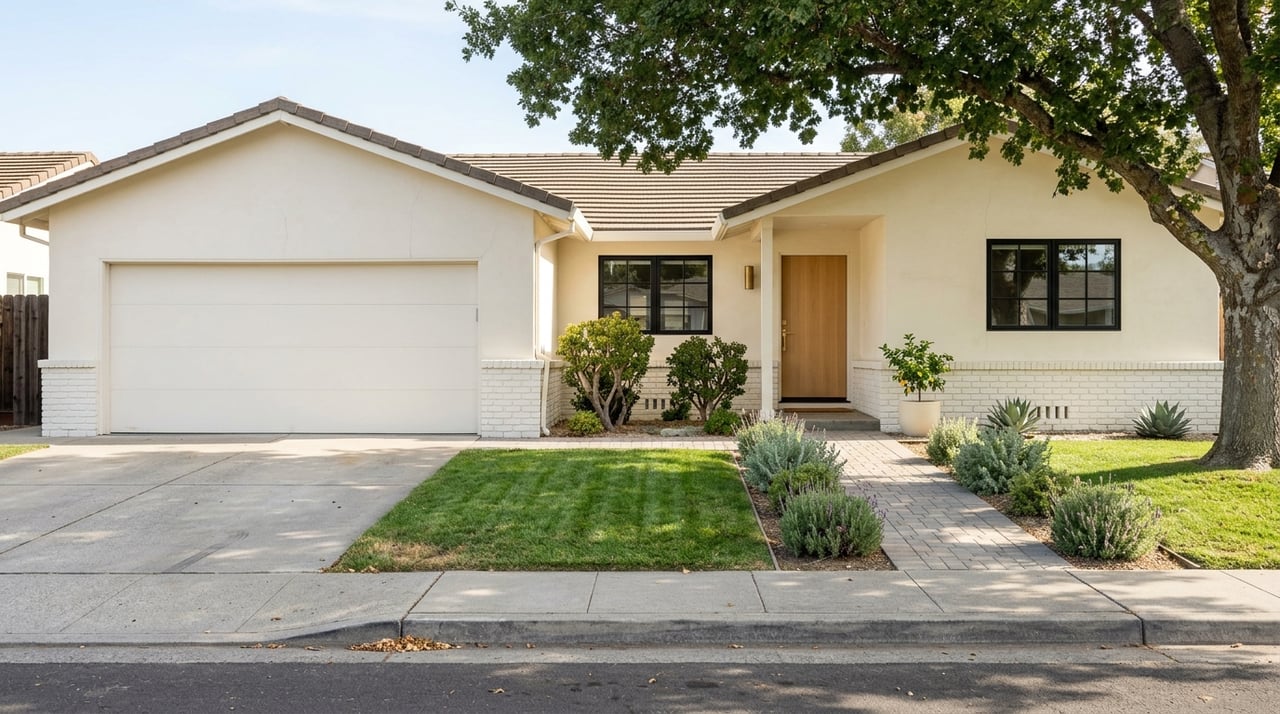
Fontana New Construction Vs Resale Homes
May 21, 2026
May 21, 2026
Trying to decide between a brand-new home and a resale home in Fontana? It is a smart question, especially in a market where homes are selling around a median price of $660,000, drawing about 3 offers on average, and spending roughly 42 days on the market. If you want to understand how timelines, costs, warranties, disclosures, and HOA rules can shape your decision, you are in the right place. Let’s dive in.
Before you compare floor plans and finishes, it helps to look at the bigger picture. Fontana is a competitive market, which means both new construction and resale homes can move quickly when priced and positioned well.
That competitive pace can affect how you shop. With resale homes, you may need to act quickly when the right property hits the market. With new construction, you may face builder deadlines, release schedules, and local review steps before construction even begins.
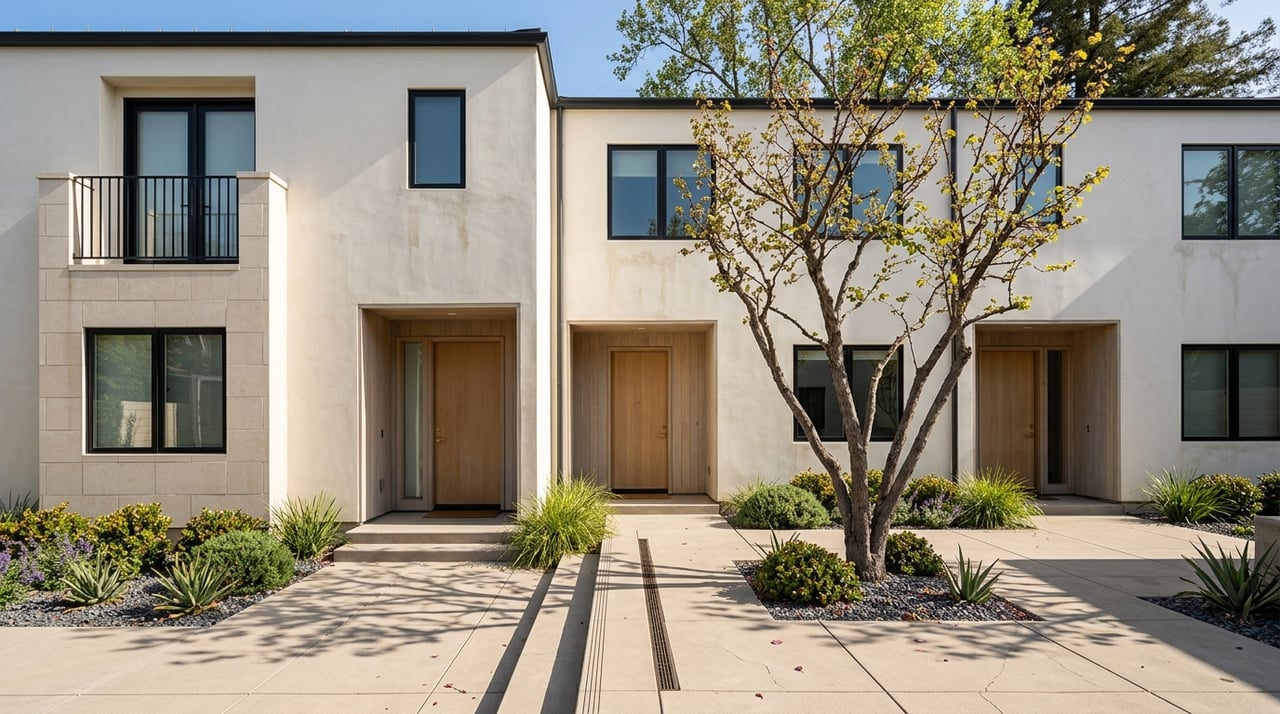
New construction in Fontana covers a wide range of home types and price points. Current options include townhomes in the low $400s, attached homes in the $500Ks, and larger single-family homes that start in the low $1 millions.
That range matters because “new construction” is not one single category. In Fontana, it can mean anything from a lower-maintenance attached home to an estate-style property on a larger lot.
One of the biggest draws of a new home is choice. Some builders let you personalize floor plans, exterior style, finishes, and even your homesite.
If you want a home that feels tailored to your preferences from day one, that can be appealing. You may be able to choose features before move-in rather than planning updates later.
New homes are typically built with current materials and energy standards in mind. In California, solar photovoltaic systems are prescriptively required for newly constructed buildings, so solar is often part of the conversation when you buy new.
That does not always mean solar is included in the base price. In some Fontana communities, solar may be an added cost and may be offered as a lease or purchase, so it is important to ask how it affects your monthly budget.
Another major benefit of new construction is builder warranty protection. Warranty details vary by builder, but some offer meaningful coverage in the early years of ownership.
For example, one Fontana-area builder states that its warranty includes 1 year for workmanship and materials, 2 years for mechanical systems, and 10 years for structural integrity. That kind of coverage can offer peace of mind if you prefer a more predictable maintenance outlook at the start.
Many new communities in Fontana include HOA-managed features such as pools, parks, tot lots, gated entries, or planned recreation spaces. That can be a plus if you want access to shared amenities and a more structured community setup.
At the same time, HOA costs and rules should never be treated as an afterthought. In California common-interest developments, owners usually must join the HOA and pay assessments, and the association operates under governing documents such as CC&Rs.
A new home can look simple on paper, but the total cost and timeline deserve a close review. What starts as an attractive base price may change once you factor in upgrades, lot premiums, HOA dues, and solar costs.
That does not mean new construction is the wrong choice. It just means you should compare the full monthly and upfront cost, not only the advertised starting price.
Many buyers assume new construction timelines depend only on construction progress. In Fontana, local planning and permitting also play a role.
The city requires new developments and upgrades to existing residential structures to be reviewed for conformance with the Development Code and General Plan before construction begins. Building & Safety also handles permits, plan checks, and inspections, which means timing can be affected by local approval steps in addition to builder schedules.
Model homes are designed to impress, but the version you tour may not reflect the base price. Upgraded finishes, premium lots, and personalization choices can raise your final cost.
If you are comparing communities, ask for a clear breakdown of what is standard and what costs extra. That is one of the best ways to avoid surprises later in the process.
Some Fontana new-home communities advertise low HOA dues, some offer no HOA, and others include more robust amenities with corresponding fees. The difference can be significant depending on the neighborhood and product type.
Before you commit, review the CC&Rs, monthly dues, maintenance responsibilities, and any design rules. If the property is in a common-interest development, the subdivision public report is also an important document because it can include information on utilities, roads, zoning, title, hazards, and financial arrangements tied to the subdivision.
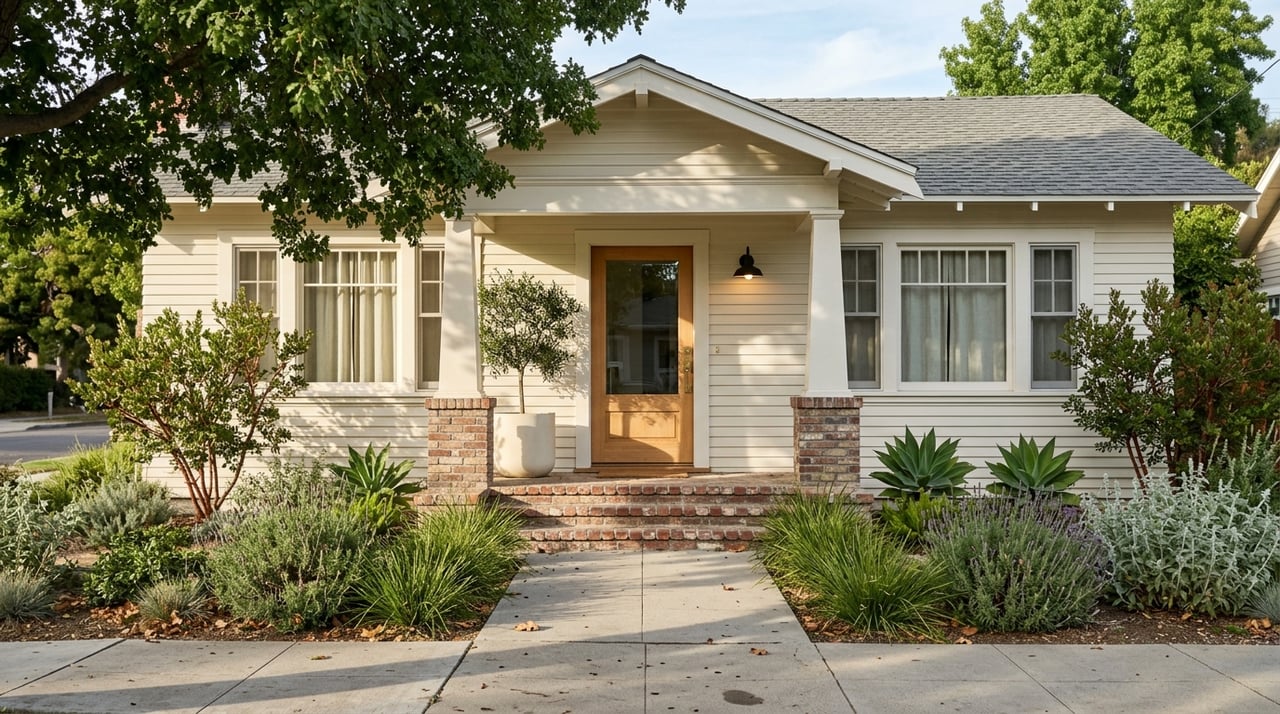
Resale homes appeal to buyers who want to see exactly what they are getting before they commit. Instead of choosing from plans and renderings, you can evaluate the actual house, lot, street, and surrounding setting in person.
That can make resale especially attractive if location details matter a lot to you. Things like backyard orientation, privacy, street feel, and the home’s existing condition are easier to assess when the property is already complete.
With a resale home, you are not guessing what the finished product might look like. You can walk the space, inspect the condition, and review disclosures before removing contingencies.
California requires sellers to provide a disclosure form covering the physical condition of the property and potential hazards or defects. The broker is also required to conduct a reasonably competent visual inspection and disclose facts that materially affect value or desirability.
Resale transactions often give buyers more room to address condition issues through the contract process. The California Department of Real Estate advises buyers to consider inspection contingencies, repair requests, pest inspections, and home-warranty terms when appropriate.
That can be helpful if you are comfortable buying a home that may need some updates but want the chance to negotiate repairs or credits. In the right situation, that flexibility can be a real advantage.
Another resale benefit is context. You can usually evaluate the immediate surroundings as they exist today, rather than trying to picture how a neighborhood will feel once future phases are complete.
For some buyers, that clarity outweighs the appeal of a brand-new home. It can be easier to judge daily practical details when the neighborhood is already built out.
Resale homes can offer more visibility into the property you are buying, but they may also come with more maintenance uncertainty. Older finishes, systems, and materials may need updating sooner than what you would expect in a newly built home.
That does not make resale a bad choice. It simply means your repair and improvement budget should be part of the decision from the beginning.
A well-maintained resale home may be a better fit than a new home with a higher total monthly cost. On the other hand, a home that needs major work may not make sense if you want a simpler move.
This is why disclosures, inspections, and repair discussions matter so much in resale. The real question is not just whether a home is older, but how it has been cared for and what costs may be coming next.
If you are weighing both options, this quick comparison can help:
| Factor | New Construction | Resale Home |
|---|---|---|
| Condition | Brand-new materials and systems | Varies by property and upkeep |
| Customization | Often allows layout and finish choices | Usually limited to changes you make after closing |
| Timeline | May involve build and permit timing | Typically based on existing inventory and contract timeline |
| Solar and energy features | Often tied to current California energy code | Depends on the home |
| Warranty | Builder-specific warranty may apply | Not the same as builder warranty; terms vary by contract |
| HOA | Common in many new communities, but not all | Varies widely by property |
| Ability to inspect actual home before committing | Limited if buying early in the build | High, since the home already exists |
The best choice usually comes down to your priorities, not a universal winner. If you value modern finishes, current energy-code features, warranty coverage, and the chance to personalize your home, new construction may fit you better.
If you want to inspect the actual property, understand the neighborhood as it stands today, and potentially negotiate repairs or credits, resale may be the stronger path. In Fontana, both options can work well, but they serve different goals.
Before you decide, consider these practical questions:
In both new construction and resale, the paperwork matters. Builder contracts, HOA documents, public reports, seller disclosures, and inspection findings all shape your risk, costs, and decision-making.
The California Department of Real Estate advises buyers to seek professional advice if they do not understand any part of the contract before signing. Getting guidance early can help you compare the true cost of ownership, review key documents, and move forward with more confidence.
If you are weighing new construction versus resale in Fontana, a local, detail-oriented approach can make the decision much clearer. Reach out to Lisa Warshaw Sheasby to schedule a free concierge consultation.
From start to finish, Lisa brings personalized service, powerful advocacy, and proven systems to help you reach your real estate goals.